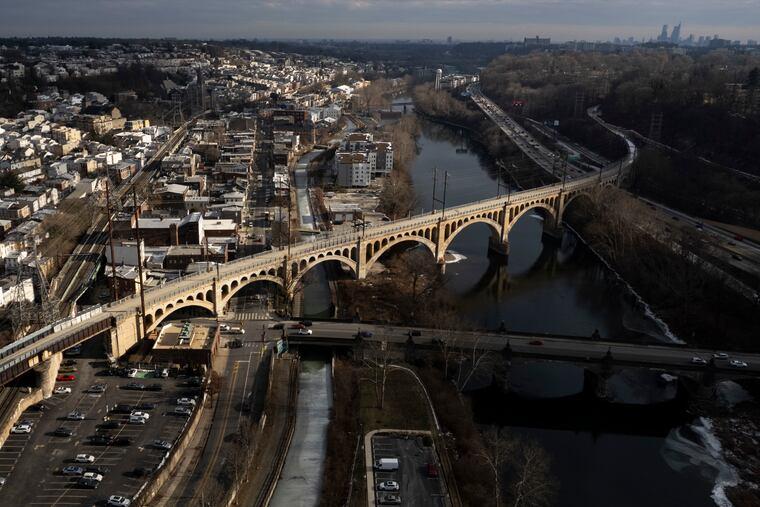
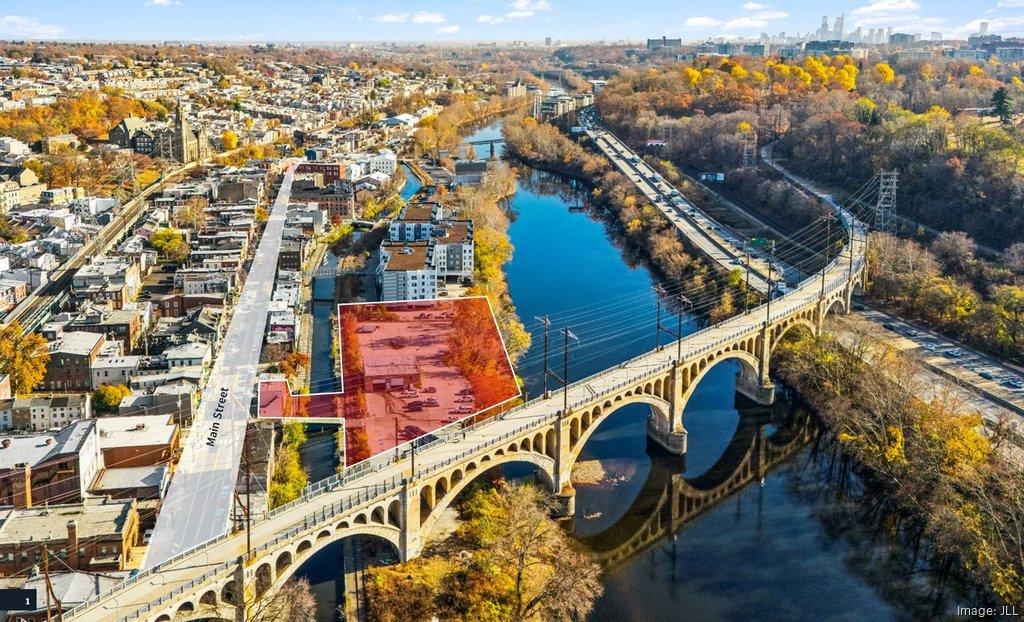
Manayunk is located in Northwest Philadelphia, along the Schuylkill River, immediately south of Roxborough and across the river from Bala Cynwyd. It is roughly 15 minutes from Center City by car under favorable traffic conditions, although rush-hour travel can take considerably longer. The neighborhood is centered on Main Street, which runs through the heart of the former mill town.
The latest available American Community Survey figures for ZIP Code 19127—the area generally identified with Manayunk—put the population at about 5,664 residents in 2024. Because Philadelphia neighborhoods do not have precisely defined Census boundaries, the ZIP-code figure is best treated as a neighborhood approximation rather than an exact population count. (Census Reporter)
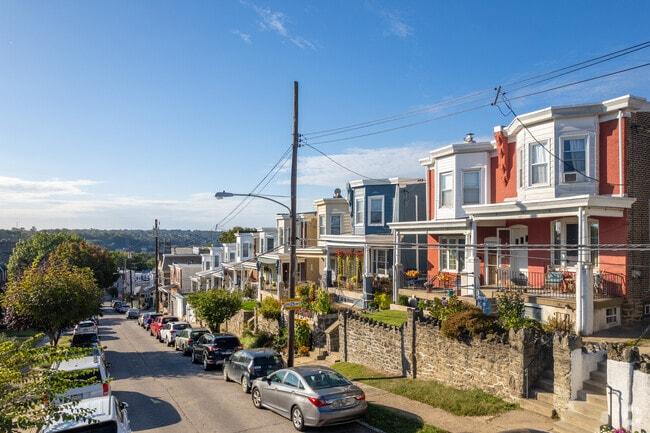
The first thing newcomers notice is the topography. Manayunk is famously hilly. Main Street itself follows a relatively level corridor along the river, but residential streets climb dramatically toward Roxborough. The legendary "Manayunk Wall" on Levering Street has a grade of about 17 percent and became famous through professional cycling events. (SEPTA)
That geography gives the neighborhood some of its personality—and some of its practical quirks. Walkability is excellent around Main Street, but living on one of the upper hills means that "just a short walk" can involve a serious climb.
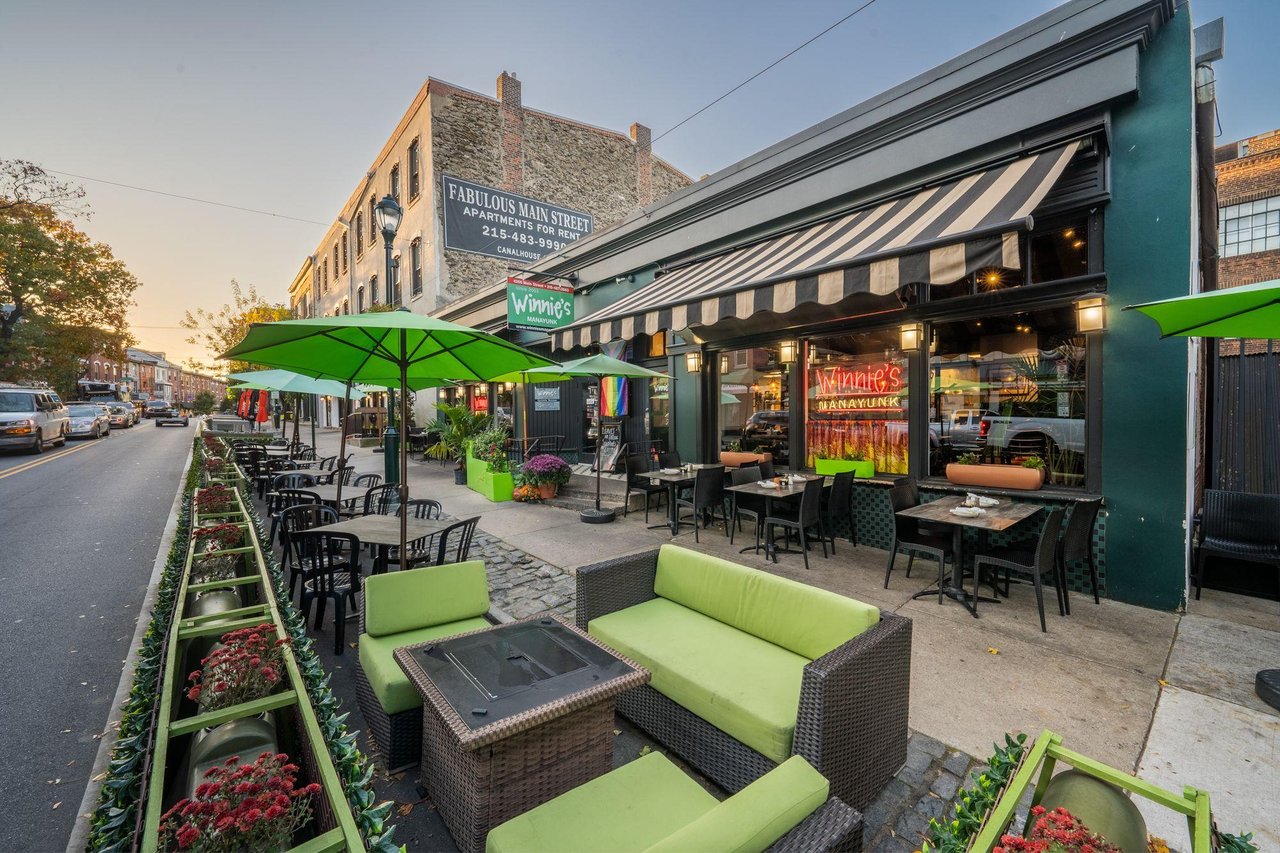
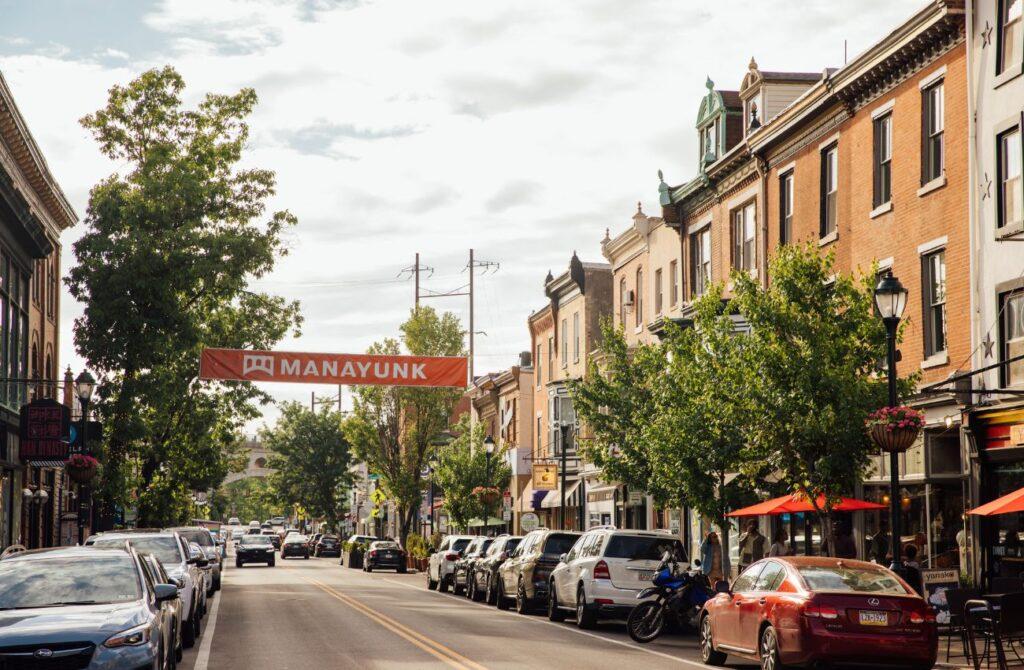
The neighborhood also has a distinctly social atmosphere. Main Street is lined with restaurants, bars, cafes, boutiques, galleries and services. Visit Philadelphia counts roughly 275 businesses along the commercial corridor. (Visit Philadelphia)
Manayunk's history is unusually visible in its architecture.
The area began developing rapidly in the early 19th century after the construction of the Manayunk section of the Schuylkill Canal in 1818. Waterpower from the river and canal helped transform what had been a relatively small settlement into one of America's important textile-producing communities. By 1828, as many as ten textile mills were operating there. (Encyclopedia of Greater Philadelphia)
The industrial boom brought workers, immigrants, mill owners and businesses—and housing followed. Manayunk became known as the "Manchester of America" and the "Lowell of Pennsylvania." It was incorporated into the City of Philadelphia in 1854 when Philadelphia consolidated with surrounding municipalities. (Encyclopedia of Greater Philadelphia)
Today, some of those old industrial buildings have been repurposed as apartments, restaurants, shops and other commercial spaces. The result is a neighborhood where historic brick mill buildings sit comfortably alongside Victorian homes and renovated rowhouses.
If your ideal neighborhood combines restaurants, nightlife, outdoor recreation and a strong sense of place, Manayunk is likely to feel very appealing.
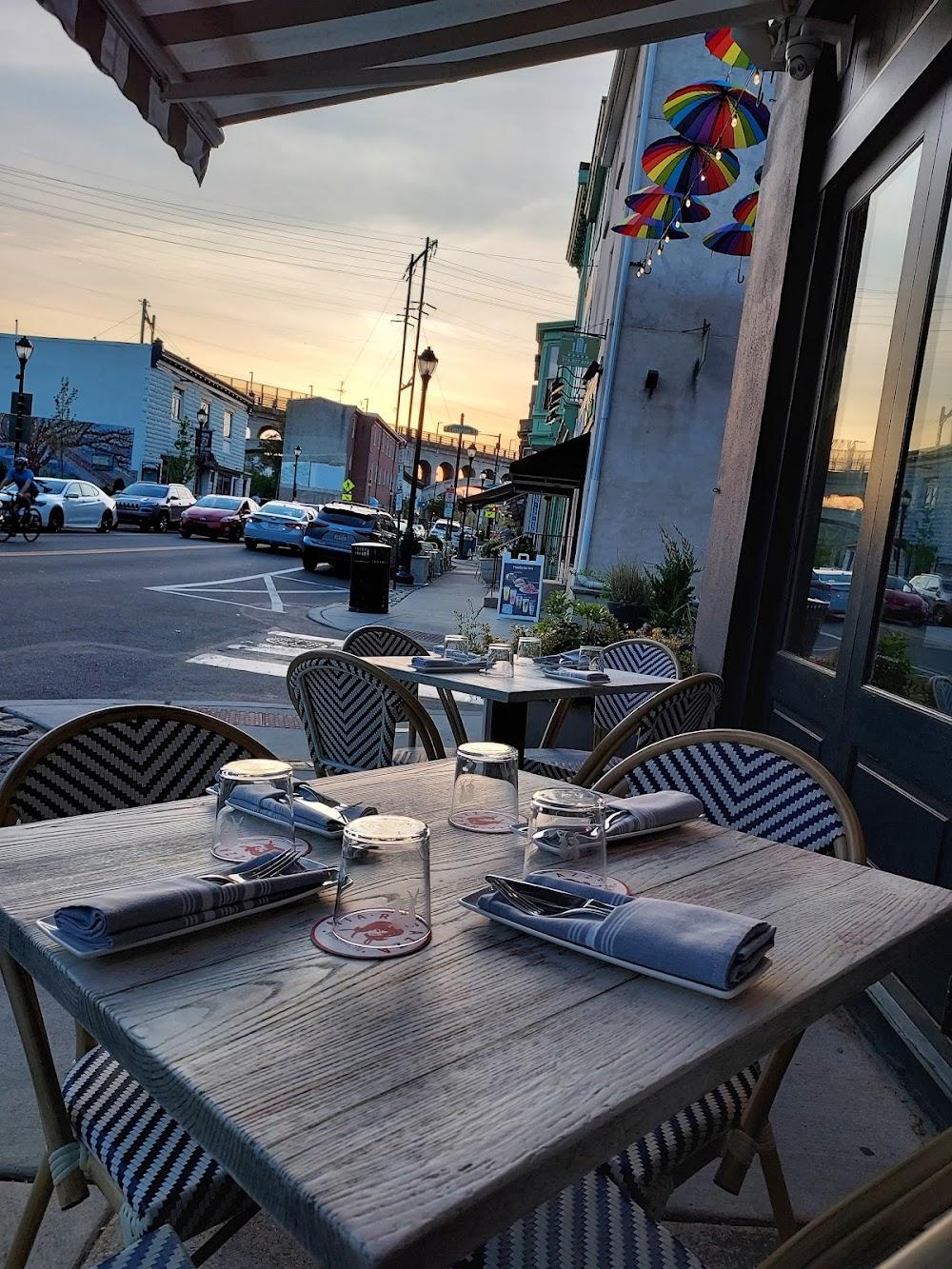
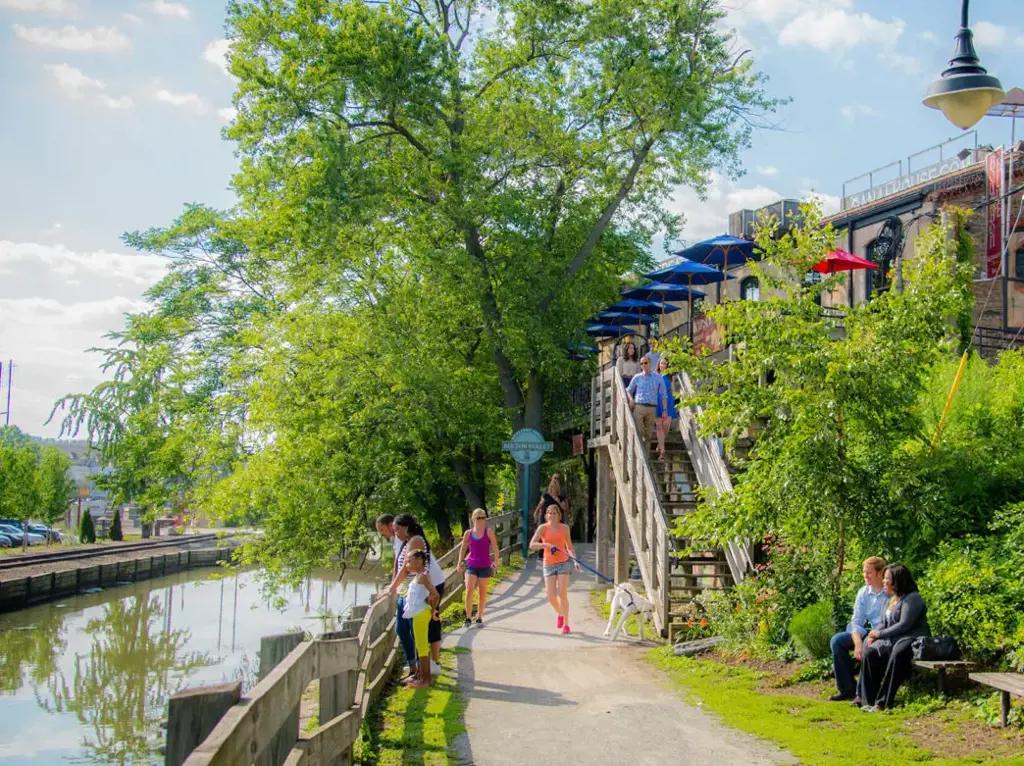
Main Street is where much of the action happens. It is lined with independent shops, restaurants, bars and cafes, with outdoor dining particularly popular during warmer months.
Among the recognizable local destinations are:
The restaurant scene is considerably broader than the neighborhood's old reputation as a bar-and-party district. Visit Philadelphia notes that the corridor has approximately 40 dining establishments, ranging from burgers and Mexican food to Thai, Indian, Mediterranean and other cuisines. (Visit Philadelphia)
Manayunk has several ways to spend an evening without leaving the neighborhood.
The Venice Island Performing Arts & Recreation Center sits between the canal and Schuylkill River and hosts performing arts and community recreation programming. Venice Island Performing Arts & Recreation Center
There is also live music at smaller venues such as The Grape, while Regal UA Main Street provides a neighborhood movie-theater option. Regal UA Main Street
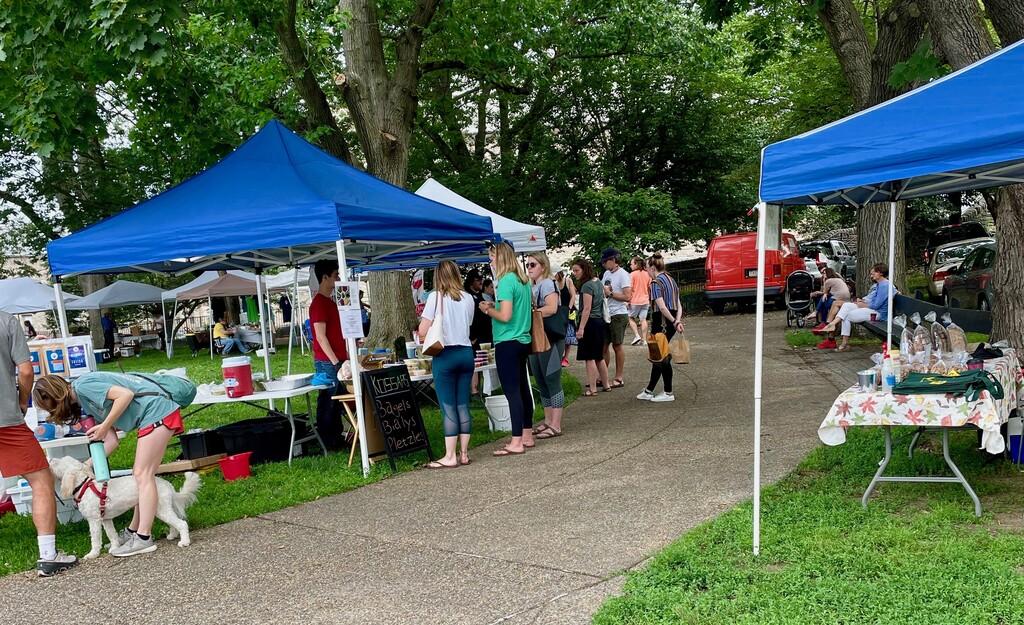
Manayunk's event calendar is another important part of its personality. The neighborhood is particularly known for its Manayunk Arts Festival, street festivals, markets and community events. (Manayunk)
This is where Manayunk can surprise people who think of it simply as a restaurant-and-nightlife neighborhood.
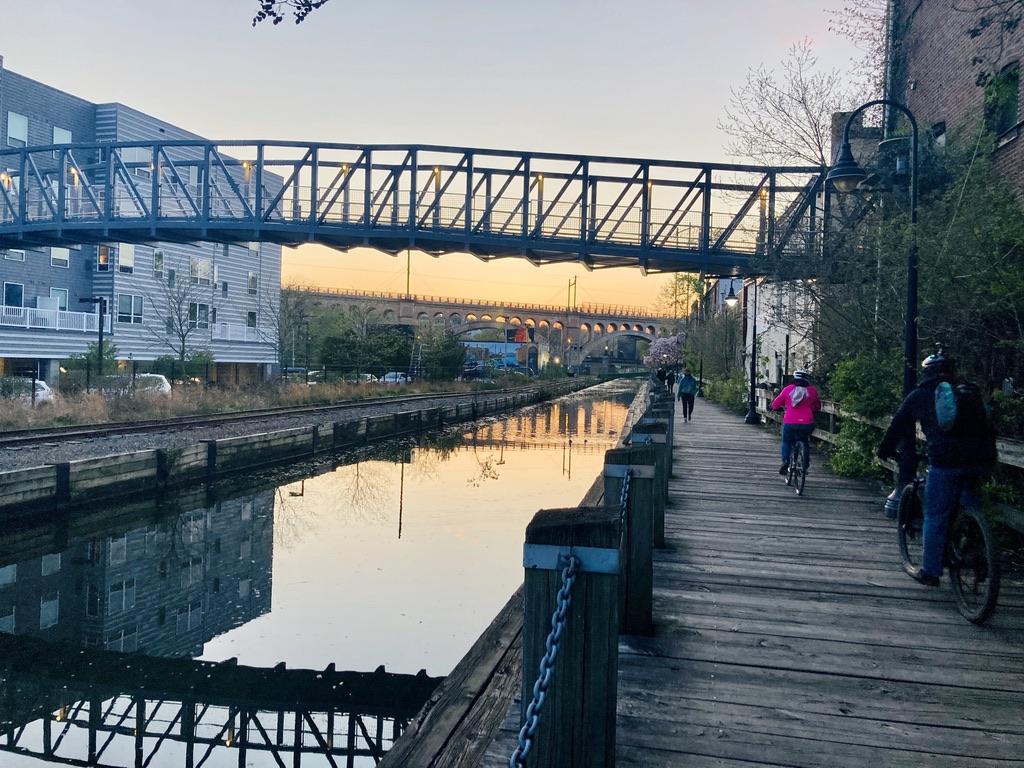
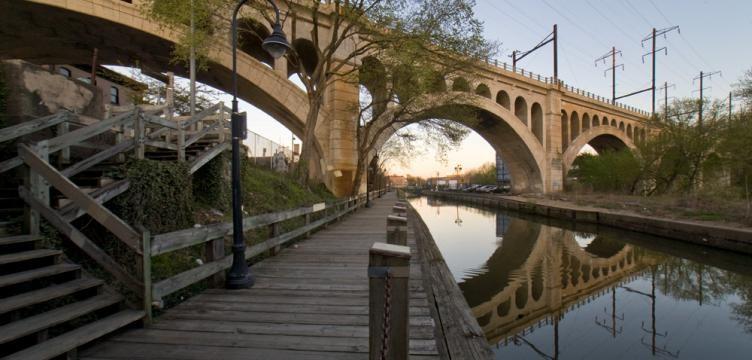
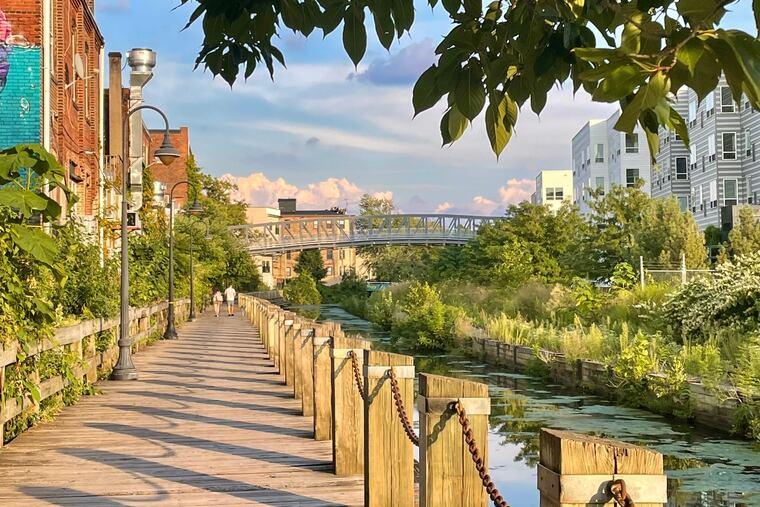
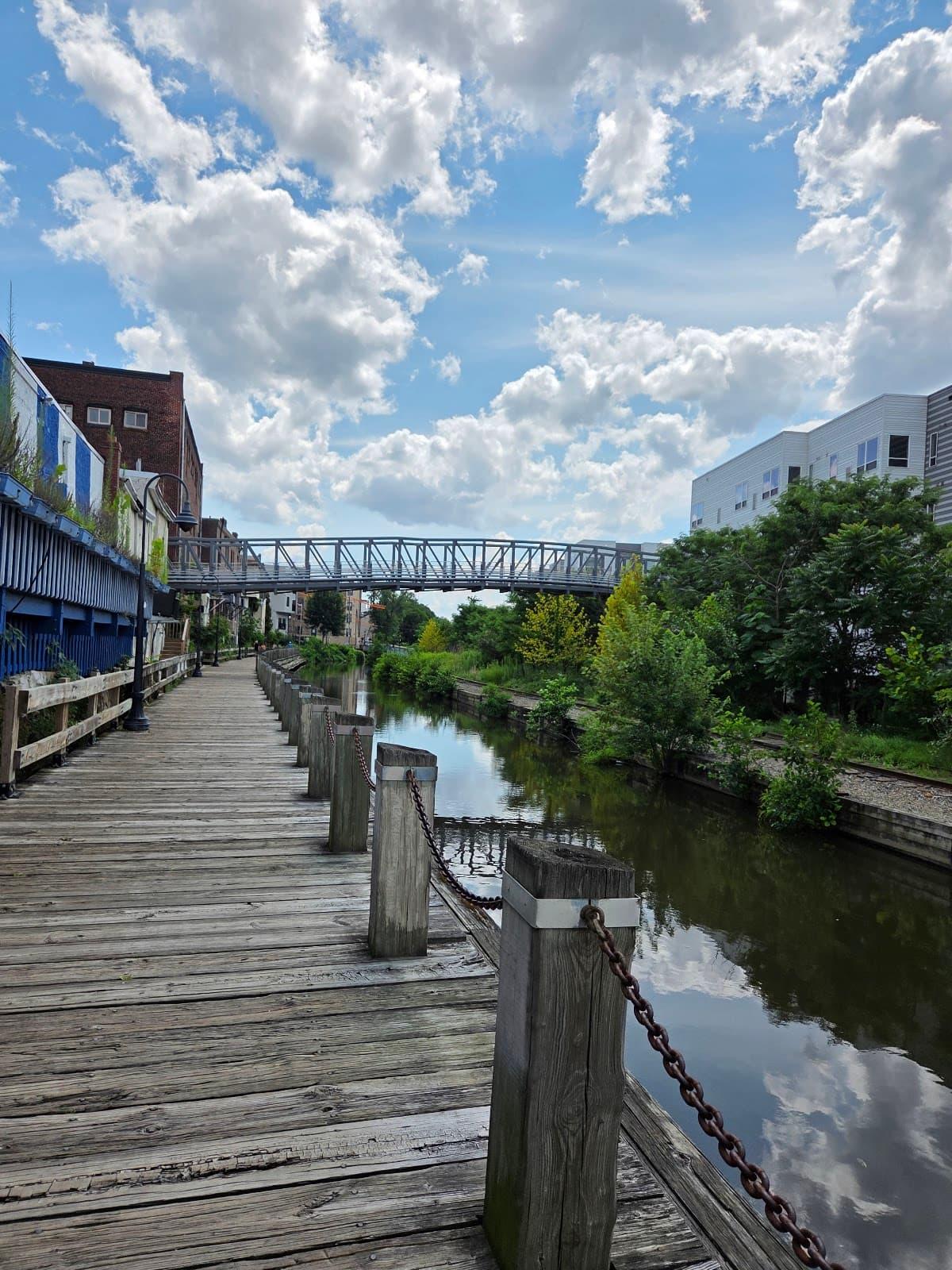
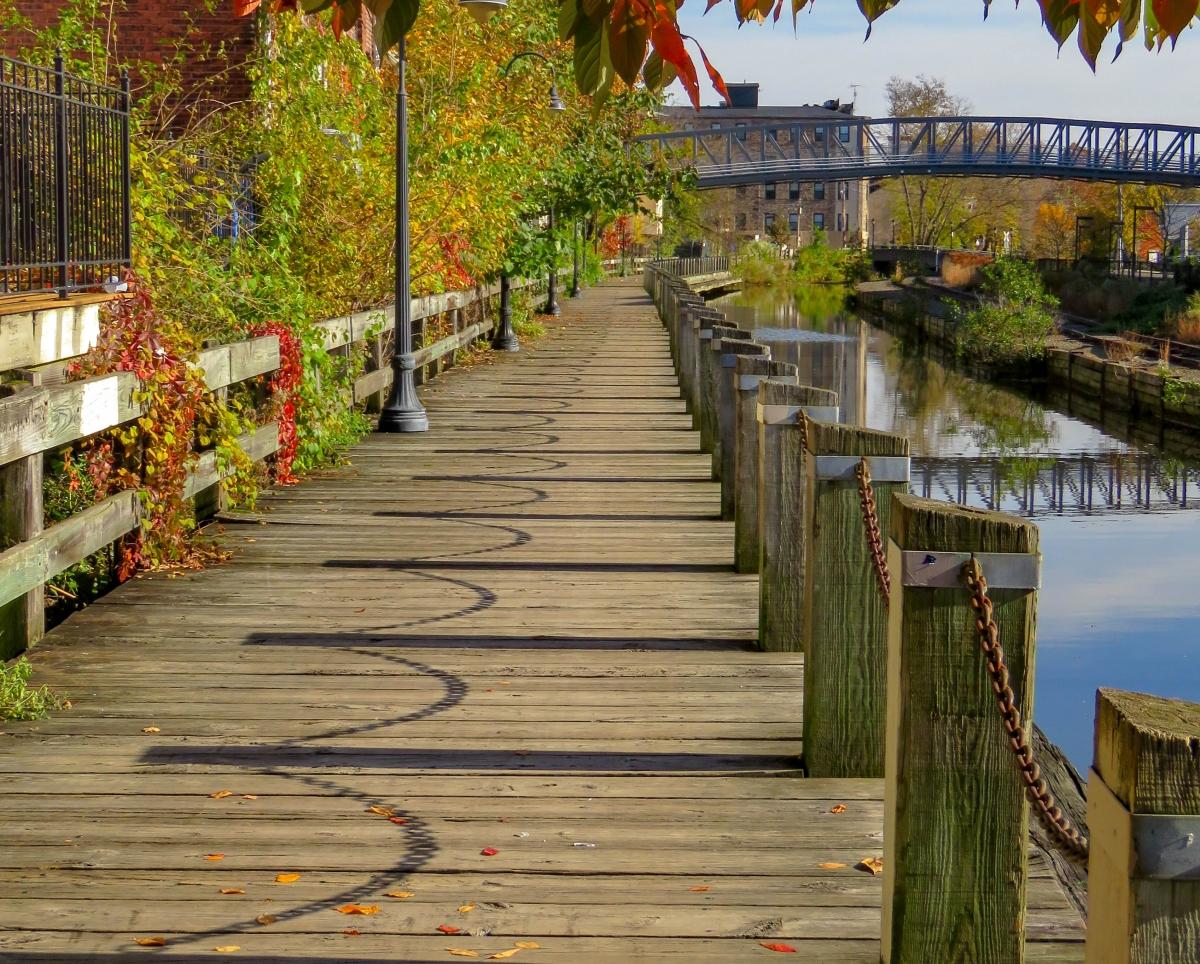
The Manayunk Canal Towpath runs directly behind Main Street. The roughly two-mile stretch combines a historic canal, wooded sections, boardwalks and connections to the larger Schuylkill River Trail network. It is popular with walkers, runners and cyclists. (Manayunk)
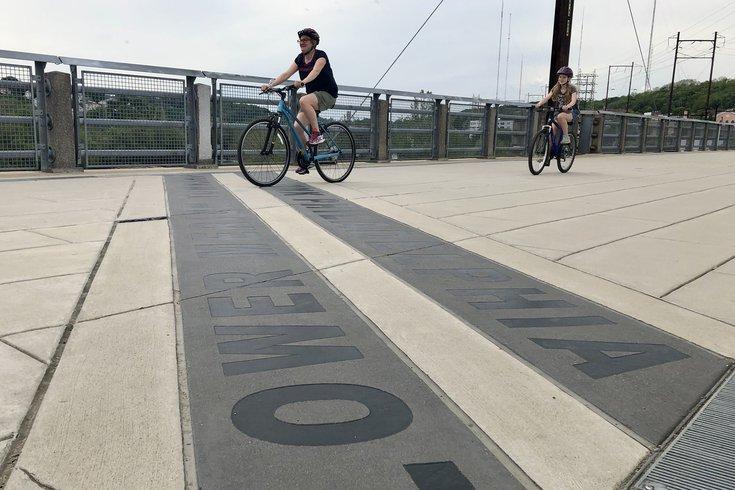
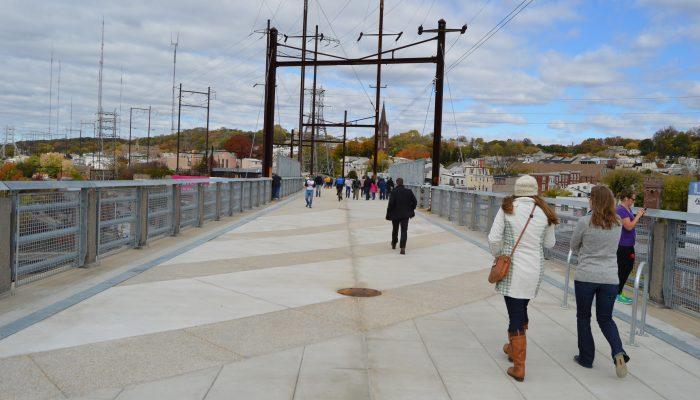
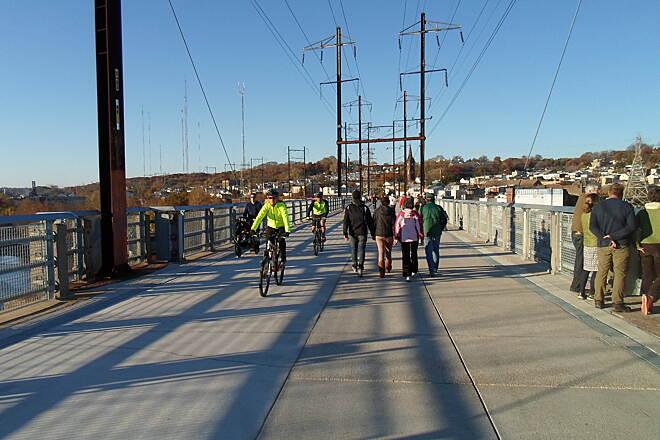
The neighborhood is also connected to the Manayunk Bridge Trail, which crosses the Schuylkill River to Bala Cynwyd and the Cynwyd Heritage Trail. It offers particularly nice elevated views of the river and surrounding landscape. (Manayunk)
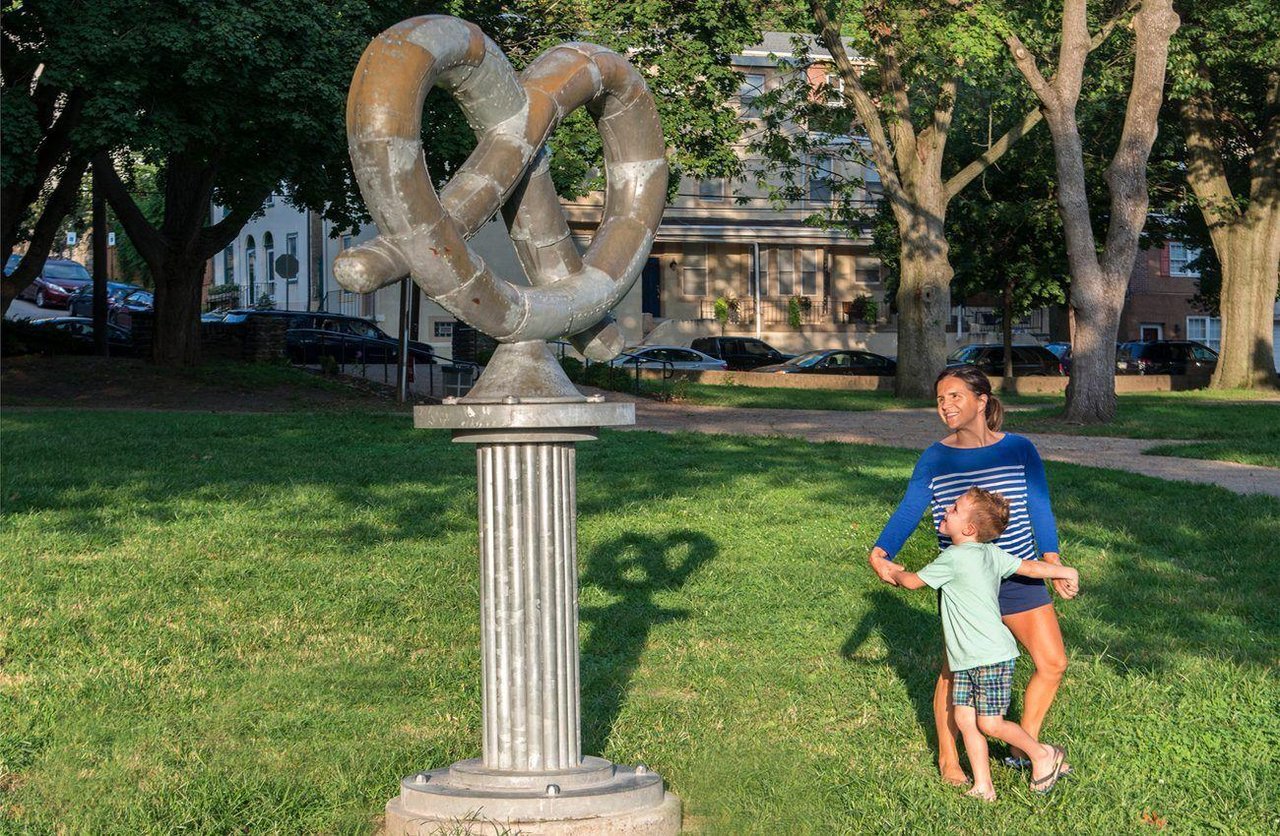
For a more traditional neighborhood park, Pretzel Park is a local gathering place with open space, a playground, community events and a farmers market. The park's whimsical pretzel sculpture is a distinctly Manayunk touch.
And for anyone who enjoys cycling, running or walking, the location is hard to beat. The Schuylkill River Trail provides connections toward Center City in one direction and toward Valley Forge and the Montgomery County trail network in the other. (Manayunk)
Manayunk is one of those Philadelphia neighborhoods where owning a car is convenient but not absolutely necessary for everyone.
SEPTA Regional Rail: The Manayunk/Norristown Line serves Manayunk Station, which is just about a block from Main Street. Trains also provide access to other stations along the line and Center City. (Manayunk)
SEPTA buses: Routes 27, 35 and 61 serve the neighborhood, with additional connections through the Wissahickon Transportation Center. SEPTA also identifies Route 9 as another way to reach the area. (Manayunk)
By car: Manayunk is close to I-76, the Schuylkill Expressway, making Center City and the western suburbs relatively accessible. U.S. Route 1 is also nearby via the East Falls/Ridge Avenue area. (Wikipedia)
By bicycle: The Schuylkill River Trail and the broader Circuit Trails network make Manayunk unusually well connected for cyclists. (Manayunk)
Parking is one of the trade-offs. There are municipal and private lots as well as metered street parking, but finding a convenient spot can become more difficult during busy evenings and festivals.
Manayunk's biggest surprise may be how much nature is woven into the neighborhood.
You can have dinner on Main Street, walk a few blocks and find yourself beside a historic canal. Continue along the Towpath and the urban streetscape gradually gives way to trees, water and trails. The Manayunk Bridge provides another dramatic transition—from dense city neighborhood to a pedestrian crossing with broad views of the Schuylkill River.
The neighborhood's industrial history is also more than a backdrop. Old canal locks, mill structures, railroad remnants and converted industrial buildings provide clues to how the community developed. The Towpath is essentially a walk through Manayunk's history as well as a recreational trail. (Manayunk)
Another unexpected characteristic is the mix of residents. SEPTA describes Manayunk as a combination of singles, young families and longtime residents whose families have lived in the neighborhood for generations. (SEPTA)
That gives Manayunk more depth than its energetic restaurant-and-bar reputation might suggest.
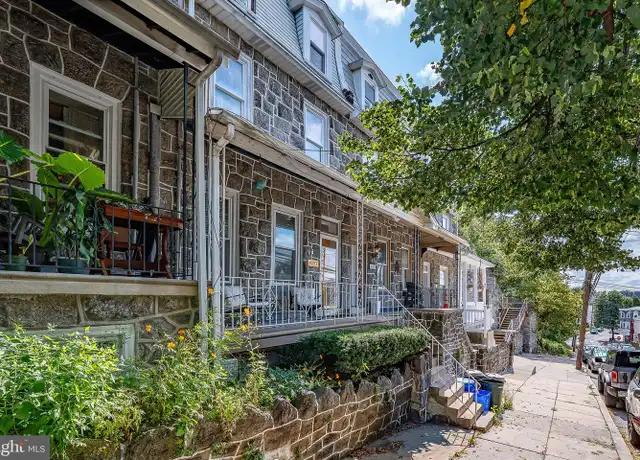
Manayunk's housing stock reflects its history and its hills.
The most characteristic homes are brick rowhouses and attached townhomes, many of them dating from the late 19th and early 20th centuries. There are also:
Zillow's current neighborhood data puts the average home value at $356,489, while its September 2026 comparison data reports an average sale price of approximately $447,942. Realtor.com reports a median sold price of $360,000, while Redfin's three-month figure through August 2026 was about $369,821. (Zillow)
The difference between the average and median is important. Manayunk has a broad mix of small rowhouses and condos alongside substantially larger, renovated properties, so a handful of higher-priced sales can pull the average upward.
Recent market data also suggests that homes are not necessarily disappearing immediately after they hit the market. Redfin reported a median of about 48 days on market for the three months ending August 2026, while Realtor.com reported a neighborhood median of 56 days. (Redfin)
For a buyer, that means Manayunk offers a fairly broad range of price points, but the property itself matters enormously. A renovated rowhouse close to Main Street is a very different proposition from a larger house farther up the hill.
For a seller, the neighborhood's strongest assets remain highly tangible: walkability, restaurants, transportation, trail access, historic character and proximity to the river.
Manayunk offers something increasingly difficult to find: a genuinely urban neighborhood with a small-town center and an outdoor lifestyle.
You can walk to dinner. You can catch a train into Center City. You can meet friends for drinks or live music. You can walk your dog through Pretzel Park. You can ride a bike along the river. You can follow the canal past remnants of 19th-century industry. And on a beautiful weekend, you can cross the Manayunk Bridge and look back at the neighborhood from above.
There are compromises, of course. The hills are real, parking can be challenging, and Main Street can be lively—sometimes very lively—on weekend nights. But those same characteristics are part of what gives Manayunk its energy.
For homebuyers looking for a neighborhood with historic architecture, restaurants and entertainment outside the front door, convenient access to Center City, and trails and waterways just steps away, Manayunk is one of Philadelphia's most distinctive places to call home.
Market figures above are current through summer/September 2026 where the cited source provides that date; population is based on the 19127 ZIP Code because neighborhood boundaries are not Census-defined.