
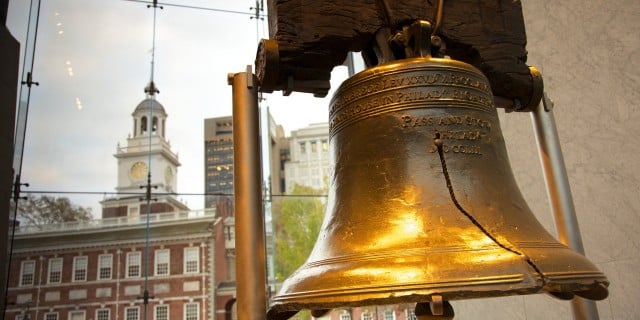
Philadelphia’s history still shapes today’s real estate market. The story of the Philadelphia region has always been one of decisive moments followed by renewed optimism. One of the most famous took place on a bitterly cold night — December 25, 1776, when George Washington led his troops across the icy Delaware River in perilous conditions, setting the stage for a turning point in the American Revolution.
What followed that daring act was not instant victory, but a new year filled with resolve and possibility. The winter at Valley Forge tested endurance. The battles of Brandywine, Germantown, and Paoli revealed setbacks as well as strength. And in Philadelphia itself, the foundations of a nation were laid through the writing of the Declaration of Independence and the Constitution, when the city served as the nation’s first capital.
As we begin 2026 and approach the 250th anniversary of the Declaration of Independence, that same spirit of resilience and forward momentum continues to define the Greater Philadelphia region — and it still influences our real estate market in meaningful ways.
History Still Matter in Today’s Real Estate Market
While Revolutionary history doesn’t set a home’s price directly, it shapes perception, desirability, and long-term value — all critical drivers of real estate.
A Strong Sense of Place
Communities with deep historical roots tend to have:
-
Distinct neighborhood identities
-
Walkable town centers and preserved architecture
-
Strong local pride and cultural continuity
From Old City and Society Hill to Germantown, Valley Forge, and the Brandywine corridor, these areas attract buyers looking for more than just a house — they want to live where history happened.
Preservation and Stability
Historic protections and thoughtful development often limit overbuilding, which can help:
-
Preserve neighborhood character
-
Support steady long-term home values
-
Maintain demand even during shifting market cycles
These qualities contribute to the resilience that many Philadelphia-area neighborhoods demonstrate year after year.
A Region Built on Enduring Appeal
Philadelphia’s Revolutionary legacy fuels:
-
Tourism and cultural investment
-
Parks, museums, and historic landmarks
-
Vibrant downtowns and suburban village centers
As the country moves toward the 250th anniversary of America’s founding in 2026, national attention on the region is expected to grow — bringing renewed interest in historically significant communities and properties.
A New Year Perspective
Washington’s Christmas crossing reminds us that bold decisions are often made in uncertain conditions — and that the year that follows can bring unexpected opportunity. January is a time when buyers and sellers alike begin planning, reassessing goals, and positioning themselves for the months ahead.
Whether you’re considering a move, exploring investment opportunities, or simply keeping an eye on the market, the Greater Philadelphia region remains a place where strong foundations — historical and economic — continue to support the future.
Here’s to a new year filled with clarity, confidence, and opportunity.
📊 January Market Snapshot
Greater Philadelphia Region
Inventory
-
Typically at its lowest point of the year
-
Well-maintained, well-priced homes stand out quickly
Home Prices
-
Generally stable following year-end adjustments
-
Historic and walkable neighborhoods continue to outperform broader averages
Buyer Activity
-
Serious buyers are active early in the year
-
January often brings less competition than spring
Mortgage Rates
-
Showing signs of stabilization
-
Many buyers are planning ahead in anticipation of future rate improvements
Seller Advantage Areas
-
Center City historic neighborhoods
-
Main Line and Valley Forge-area communities
-
Northwest Philadelphia (Chestnut Hill, Mt. Airy)
Buyer Opportunity Areas
-
Larger suburban developments with more choice
-
Condos and townhomes offering negotiating flexibility